


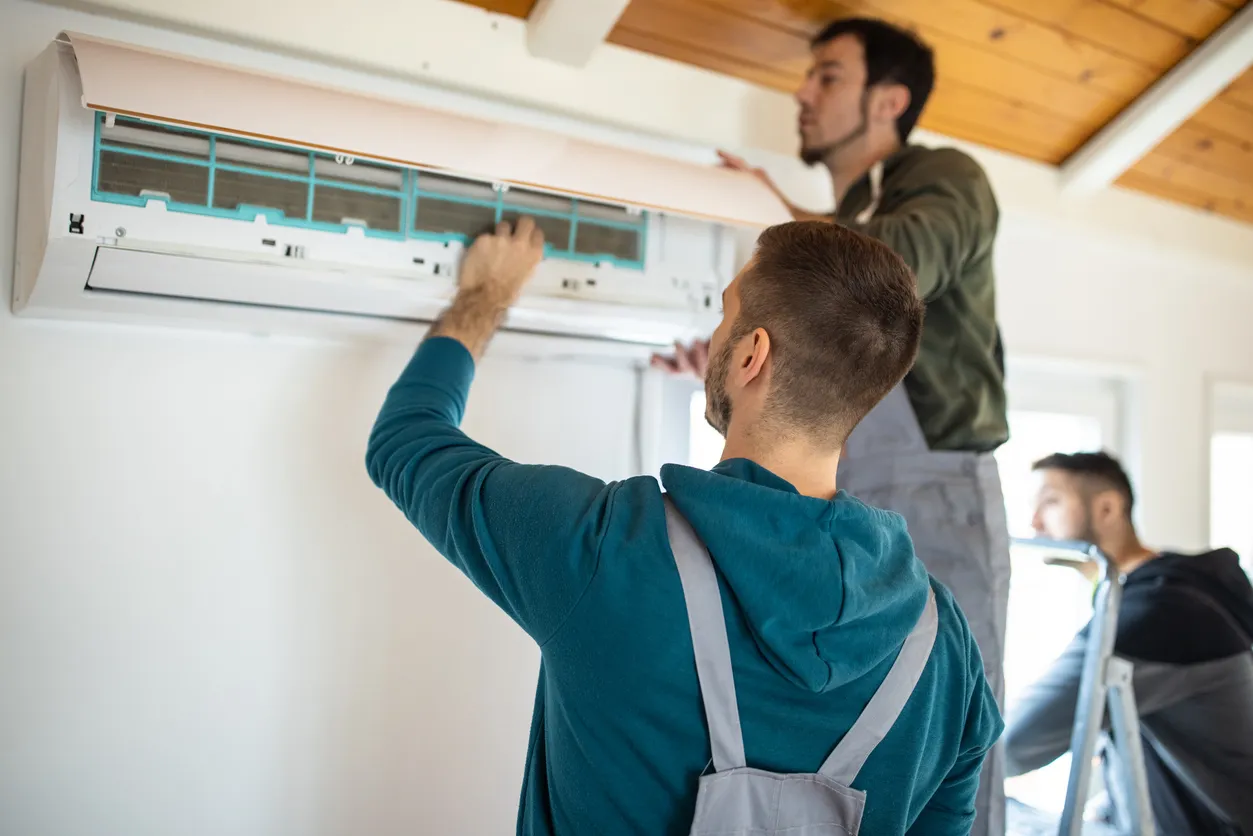
Energy-efficient AC installation supports consistent indoor comfort, and proper planning helps the system operate with less energy waste. When installers match the unit to the home’s layout and airflow conditions, the system performs best, especially over the long term. Here are a few tips for promoting an energy-efficient AC installation:
Choose the Correct AC Size
Accurate sizing matched to a home’s cooling needs helps create energy efficiency during AC installation. Conducting a manual load calculation involves measuring heat gain based on room layouts, window orientation, ceiling heights, and insulation. That data helps prevent undersized units from running constantly or oversized units from short-cycling, delivering consistent comfort. Right-sizing promotes efficiency by preventing additional heat and moisture from reaching air handlers.
The manual calculation helps determine the proper duct and vent sizing to improve airflow. Verifying square footage, insulation levels, and window exposure helps refine the sizing to make sure it’s accurate. A window orientation map identifies rooms with higher solar gain from west- and south-facing windows, which may increase cooling requirements in certain zones. A system selected with room size, insulation, and window orientation in mind can meet cooling needs without overcooling less exposed rooms.
Check Duct Airflow Paths
Checking duct airflow paths confirms new AC systems operate at their full efficiency. Without sufficient return vents that match the new air handler’s capacity, unbalanced supply registers can restrict airflow and strain the system, reducing efficiency. Optimizing these pathways helps conditioned air circulate, making it easier to sustain operation after installation.
Enlist a technician to check for trunk-line leakage and static-pressure readings throughout the entire system. Pinpointing gaps near loose insulation or unsealed trunk-line connections allows the technician to apply targeted seals. If tests reveal high static pressure, a technician can inspect nearby bends or transitions for airflow blockages. That allows them to pinpoint specific sections that require adjustment or resizing to optimize airflow throughout the system.
Set Smart Thermostat Schedules
Smart thermostats work with air conditioners to maintain setpoint schedules and optimize system performance. Establishing a heating or cooling schedule helps maintain indoor comfort and reduce unnecessary energy use. Technicians could program temperature setpoints according to daily household schedules, which supports seasonally appropriate temperatures throughout the home. Technicians can also assign away-period offsets that adjust settings based on occupancy, so that the AC system runs less or remains off when the home is unoccupied. These adjustments help the system respond more efficiently to changing occupancy patterns throughout the day. Adjusting fan settings and thermostat sensors after installation helps them align with household routines over time.
Schedule Energy-Efficient AC Installation Today
The first step to an energy-efficient AC is a professional AC installation. Specialists may install the right size and type of AC that works more effectively in your home or business. When choosing the right AC, professionals may perform heat load assessments in your home. That helps them determine the appropriate equipment that meets your air conditioning needs. After installing the AC, the technicians will test it to confirm it’s running smoothly. Keep your house or business comfortable year-round by installing a new air conditioner today.